
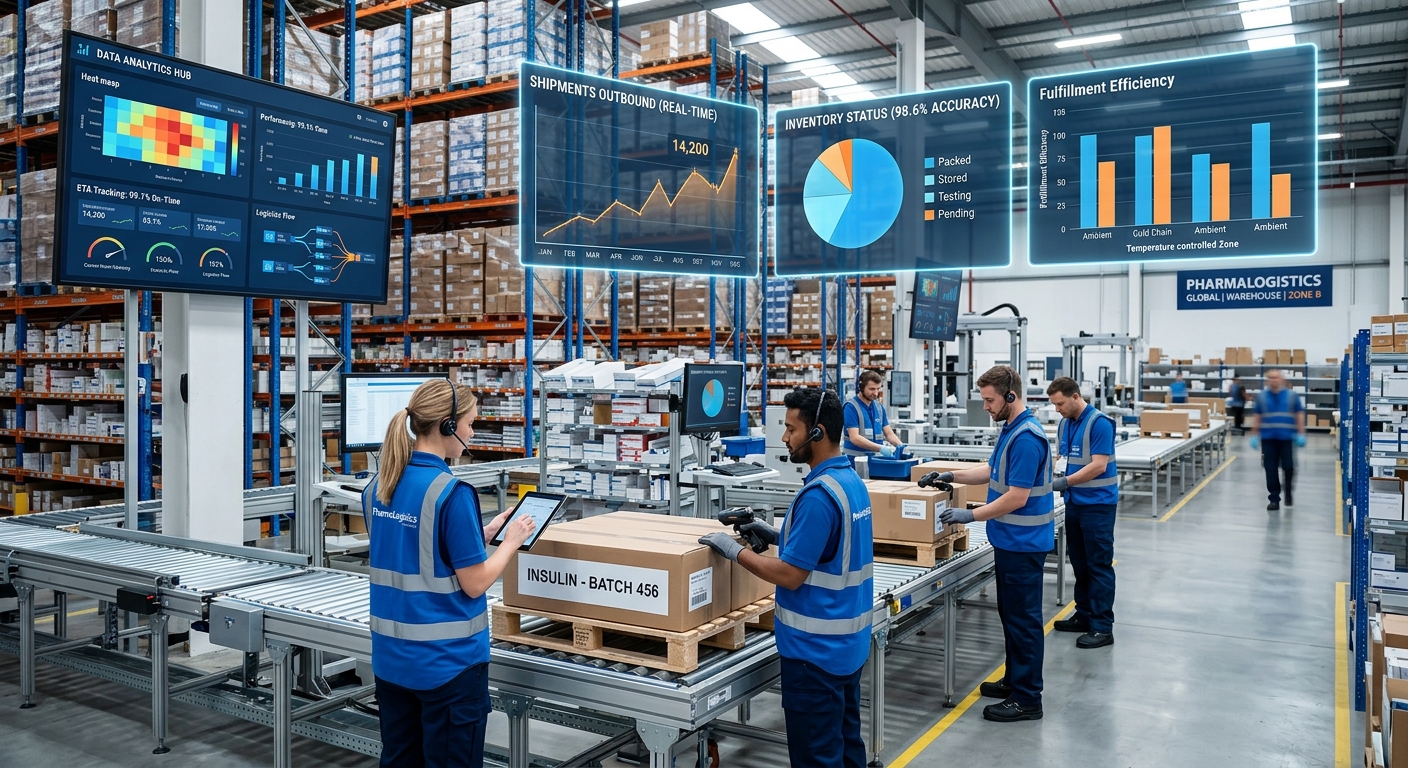
The Role of Data Analytics in Pharmaceutical Logistics
Introduction
In the fast-paced world of pharmaceuticals, logistics is a critical component that ensures medicines reach patients safely and efficiently. With the rise of digital technology, data analytics has emerged as a vital tool in optimizing pharmaceutical logistics. This blog post will explore the transformative role of data analytics in this sector, highlighting its benefits, applications, and future prospects.
Understanding Pharmaceutical Logistics
Pharmaceutical logistics involves the management of the flow of drugs from manufacturers to end-users, including hospitals, pharmacies, and patients. It’s not just about transportation; it encompasses:
- Storage and warehousing
- Inventory management
- Distribution and delivery
- Compliance with regulatory standards
The Importance of Data Analytics
Data analytics refers to the systematic computational analysis of data. In pharmaceutical logistics, it plays a crucial role in enhancing operations, reducing costs, and improving service delivery. Here are some of the key benefits:
- Improved Decision Making: Data analytics enables logistics managers to make informed decisions based on real-time data.
- Enhanced Efficiency: By analyzing data, companies can streamline operations, reducing delays and costs.
- Predictive Analytics: Anticipating demand and potential disruptions helps in better inventory management.
Applications of Data Analytics in Pharmaceutical Logistics
1. Inventory Management
Data analytics helps in maintaining optimal inventory levels, preventing overstocking or stockouts. Techniques such as:
- Just-In-Time (JIT) inventory
- Demand forecasting
- Automated reordering systems
These systems reduce waste and ensure that medications are available when and where they are needed.
2. Route Optimization
Logistics involves transportation, and optimizing routes can significantly lower costs and delivery times. Data analytics tools can:
- Analyze traffic patterns
- Identify the fastest delivery routes
- Manage fleet operations efficiently
This results in reliable delivery schedules, which is essential for pharmaceuticals.
3. Regulatory Compliance
The pharmaceutical industry is heavily regulated, and compliance is critical. Data analytics aids in:
- Tracking shipments to ensure they meet regulatory standards
- Documenting processes for audits
- Monitoring temperature-sensitive products
By maintaining compliance, companies avoid costly penalties and ensure patient safety.
4. Risk Management
Data analytics helps in identifying potential risks in the supply chain, such as:
- Supplier reliability
- Market fluctuations
- Natural disasters
By analyzing historical data and trends, companies can develop contingency plans to mitigate these risks.
Future Trends in Data Analytics for Pharmaceutical Logistics
As technology continues to evolve, the role of data analytics in pharmaceutical logistics will expand. Key trends to watch include:
- Artificial Intelligence (AI): AI will enhance predictive analytics capabilities, offering even deeper insights into logistics operations.
- Blockchain Technology: This will improve traceability and transparency in the supply chain, ensuring that products are authentic and safe.
- IoT Integration: The Internet of Things (IoT) devices will provide real-time data, improving monitoring and control of drug shipments.
Conclusion
The role of data analytics in pharmaceutical logistics cannot be overstated. It not only enhances operational efficiency but also ensures compliance and improves patient safety. As technologies evolve, embracing data analytics will be crucial for pharmaceutical companies looking to stay competitive in a dynamic market.
Are you ready to leverage data analytics in your logistics operations? Start exploring the possibilities today!