
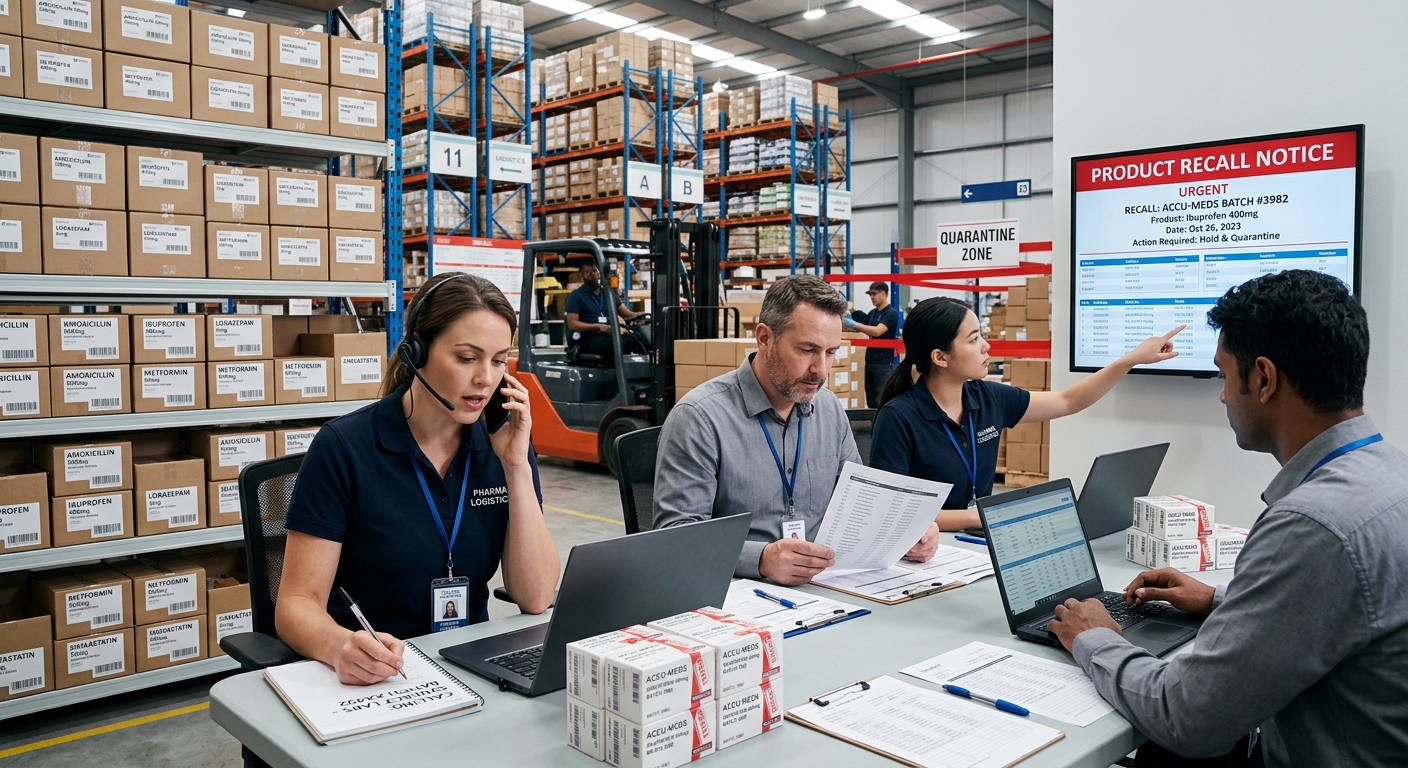
How to Handle Recalls in Pharmaceutical Distribution
Understanding Pharmaceutical Recalls
Recalls in the pharmaceutical industry are critical events that can affect patient safety and the integrity of the supply chain. Understanding how to effectively manage these recalls is essential for pharma business professionals. In this blog post, we will explore the best practices for handling recalls in pharmaceutical distribution.
Types of Pharmaceutical Recalls
Before diving into handling recalls, it’s important to understand the different types of recalls that can occur:
- Class I Recall: This is the most serious type of recall, where there is a reasonable probability that using the product will cause serious adverse health consequences or death.
- Class II Recall: This type involves products that may cause temporary or medically reversible adverse health consequences.
- Class III Recall: These products are unlikely to cause any adverse health consequences but violate manufacturing regulations.
Steps to Handle a Recall
When a recall is initiated, swift action is required. Here are the steps to effectively manage a recall in pharmaceutical distribution:
1. Immediate Notification
Notify all relevant stakeholders, including:
- Distributors
- Retail pharmacies
- Healthcare providers
- Patients (if necessary)
2. Develop a Recall Strategy
Your recall strategy should include:
- Clear communication protocols
- Detailed timelines for the recall process
- Identification of affected products
3. Implement the Recall
During the implementation phase, ensure that:
- Products are removed from shelves promptly.
- All returned products are documented accurately.
4. Monitor and Report
Continuous monitoring of the recall process is crucial. Ensure that:
- All returned products are accounted for.
- Regular updates are provided to stakeholders.
Communication Best Practices
Effective communication is key during a recall. Here are some best practices:
- Use clear and concise language in all communications.
- Provide frequent updates to all stakeholders.
- Be transparent about the recall’s implications.
Post-Recall Analysis
Once the recall is complete, conduct a thorough analysis to improve future processes. Consider the following:
- What went wrong during the initial distribution?
- How effective was the recall communication?
- What steps can be taken to prevent similar issues in the future?
Conclusion
Handling recalls in pharmaceutical distribution is a complex but essential part of ensuring patient safety. By following the outlined steps and best practices, pharma business professionals can navigate recalls more effectively. Remember, the key is quick action, clear communication, and thorough analysis.
Call to Action: For more insights on pharmaceutical distribution, subscribe to our newsletter and stay updated on best practices in the industry!