
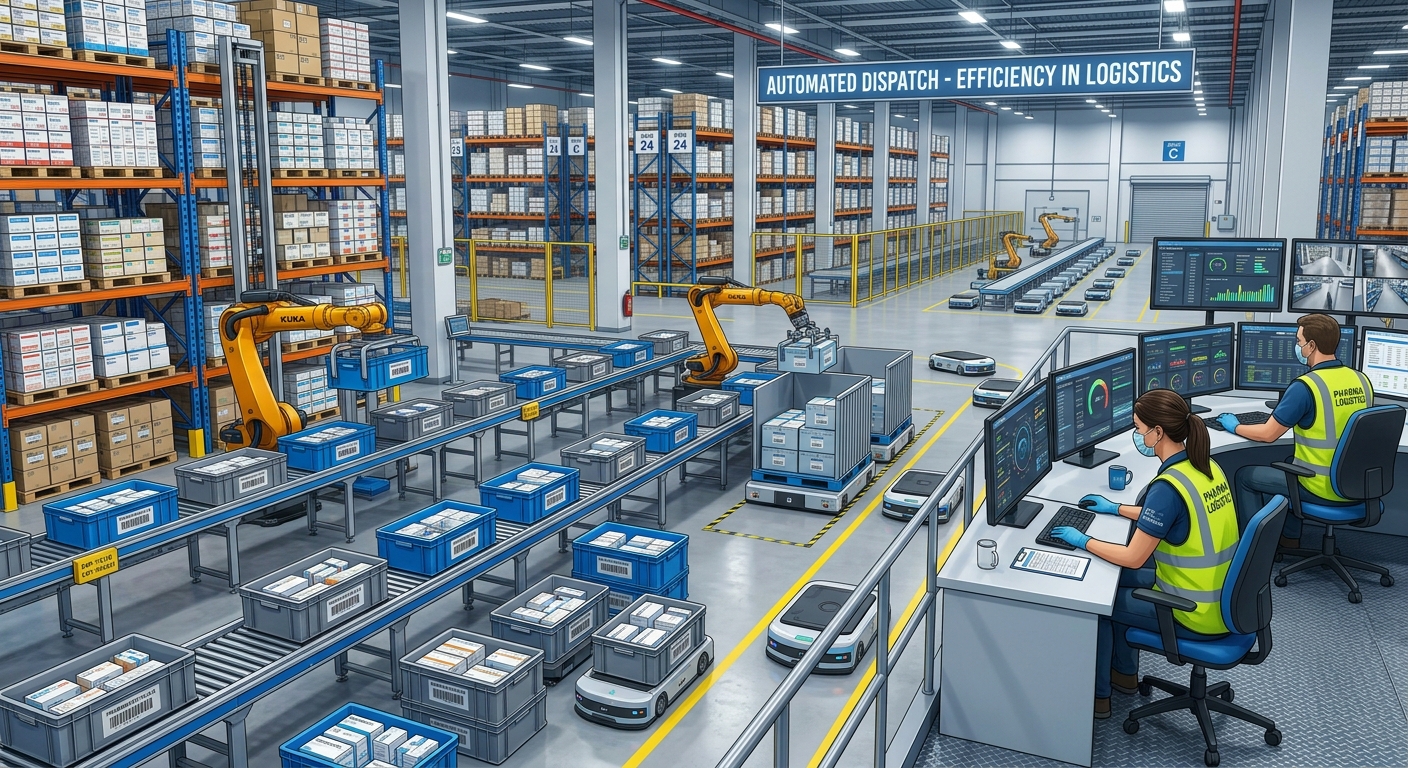
The Role of Automation in Pharma Warehouses
Introduction
In the fast-paced world of pharmaceuticals, efficiency and accuracy are paramount. As the demand for quick and reliable drug delivery increases, automation in pharma warehouses is becoming a vital component of the supply chain. This blog post explores how automation is transforming the operational landscape of pharmaceutical warehouses, enhancing productivity, reducing human error, and ensuring compliance with stringent regulations.
Why Automation is Essential in Pharma Warehousing
The pharmaceutical industry faces unique challenges, including the need for precision and regulatory compliance. Here’s why automation is essential:
- Increased Efficiency: Automated systems can handle repetitive tasks faster than humans, allowing for quicker processing of orders.
- Accuracy: Automation reduces the likelihood of human errors, ensuring that the right products are delivered to the right locations.
- Regulatory Compliance: Automated systems can be programmed to adhere to strict guidelines, helping companies maintain compliance with industry regulations.
Types of Automation Technologies in Pharma Warehouses
Various automation technologies are being implemented in pharma warehouses. Here are some key types:
- Robotics: Automated guided vehicles (AGVs) and robotic arms streamline the movement and packing of products.
- Warehouse Management Systems (WMS): These software solutions help manage inventory levels, order processing, and shipping logistics.
- Automated Storage and Retrieval Systems (AS/RS): These systems optimize storage space and ensure quick retrieval of products.
Benefits of Automation in Pharma Warehouses
Implementing automation comes with numerous benefits:
- Cost Reduction: While the initial investment in automation may be high, long-term savings from reduced labor costs and increased efficiency are significant.
- Improved Inventory Management: Automated systems provide real-time inventory tracking, helping to prevent stockouts and overstock situations.
- Enhanced Safety: By automating hazardous tasks, companies can reduce workplace injuries and improve overall safety.
Challenges of Implementing Automation in Pharma Warehouses
Despite the benefits, companies may face challenges when adopting automation:
- Initial Costs: The upfront investment for automation technology can be substantial.
- Change Management: Employees may resist changes in workflows, requiring effective training and communication strategies.
- Technology Integration: Ensuring that new systems work seamlessly with existing infrastructure can be complex.
Future Trends in Pharma Warehouse Automation
The future of automation in pharma warehouses is promising, with several trends emerging:
- Artificial Intelligence: AI is expected to enhance predictive analytics for inventory management.
- Internet of Things (IoT): IoT devices will provide real-time data for better decision-making.
- Increased Customization: Automation solutions will become more tailored to meet specific business needs.
Conclusion
Automation is no longer a luxury but a necessity in the pharmaceutical warehousing sector. As the industry continues to evolve, embracing automation can lead to greater efficiency, accuracy, and compliance. If you’re a pharma business professional, now is the time to consider how automation can enhance your operations. Start exploring your options today!